

 Teams
Teams SharePoint
 Slack
Slack QR Codes
 PDF
PDF Active Directory
 Workday
 ADP
ADP Canva
CanvaEmployee Engagement
Employee influencers are the future of the creator economy
Your best brand ambassadors aren't on TV. They're on payroll. An inside look into the hottest business strategy at the intersection of social, internal comms, & employer brand


Companies used to prohibit employees from posting on social media. Now, it’s an undisputed growth engine for brands everywhere.
I first started posting on LinkedIn in 2024, just six months into my new role at Workshop. Nobody told me to do it – in fact, some would say I went rogue. Which would be fair…because, yeah, I definitely did. It was my first real gig after college, so of course, I had absolutely no idea what I was doing. I honestly thought posting on LinkedIn was only for experts. And at 22, I was farrrr from one. Despite the fear, I decided to put myself out there. I started posting on LinkedIn consistently. Did it feel cringe? EXTREMELY. Was it terrifying? Duh. But was it probably the best thing I did for my career? Without a doubt.
Cool things started happening pretty quickly. I was like, “Wait…people actually care about what I’m saying?” Something finally unlocked. I realized ‘influence’ doesn’t come from a job title or a follower count. It’s simply showing up and making people feel something.
Soon enough, people started discovering Workshop through my account. Prospects started dropping my name on sales calls. Local talent started finding me and saying, “Hey, your company looks really cool. I wanna be apart of this. How can I apply?” I started getting interview requests, and even got my story told in Inc. Magazine.
And then it all hit me. Did I just accidentally become an employee influencer?
(there I am holding a goat on this article cover, so…yeah, I guess so.)
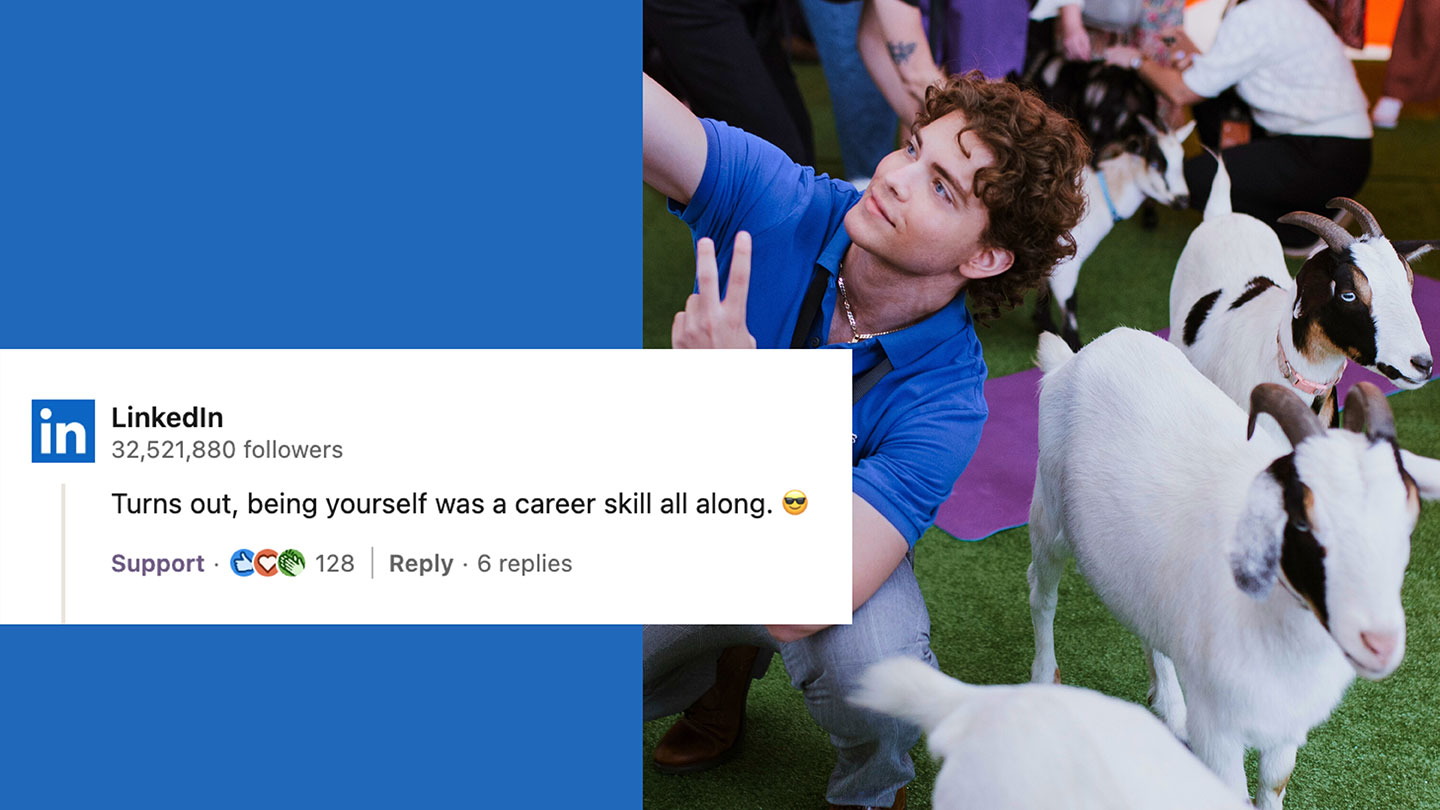
“Influence doesn’t come from a job title or a follower count. It’s simply showing up and making people feel something.”
— YANNI PAPPAS, WORKSHOP
This is the value employee influencers are bringing to companies everywhere – brand discovery & awareness, social selling & revenue, culture sharing, talent acquisition, recruiting; the list goes on – all while being themselves. This is the core of why EGC works. It doesn’t feel like a broadcast from a brand; it feels like people talking with you, not at you.
Beyond the EMV, there’s so much magic happening in the advocacy space. It’s good for people and it’s good for business. There’s real motion right now. ‘Employee influencers’ is trending – but it’s not a trend. Employees have always wanted to share. These aren’t new ideas, they’re just repackaged…with some tape from Staple’s. (You might be a baddie if you got the reference.) The shift now is that companies, and expert consultants, are welcoming it with open arms. Well, most of them…
What you’ll find in this article:
Yeah, not every brand has a Staples Baddie. But every brand does have employees who ready to share their voice. I wanted to uncover and tell the real stories behind employee advocacy programs; diving into the highs and lows of building them from the ground up.
So, I did what I know best.
I posted on LinkedIn trying to find the people who’ve actually done it. In just a few hours, I received over 200+ comments and direct messages. (Guys, it is SO hard being LinkedIn famous.)
This isn’t a ‘step-by-step’ guide. Truthfully, there isn’t one. EGC looks different for every brand, every industry, every workforce, and every company size. I spoke with a wide range of perspectives and voices – you’ll be hearing their names and stories in this.
There are four common threads, or lessons, I heard throughout my interviews. It’s storytelling fused with practical advice. I wrote this with a diverse audience in mind – whether you’re a creator or you’re trying to build creator programs – or you work in social, internal comms, or HR; there’s truly something for everyone to take away from this.
In the words of Carolyn Cohen, Global Content Strategist at Lockton, “There’s no business that employee advocacy is not good for. It’s just like, what goal are you trying to achieve? And what are you doing to get to that point?”
So…ready to influence?
1. Old school versus new school advocacy
There’s a clear distinction between the brands evolving their playbook, and the ones still stuck in 2010. (Can we bring back Facebook pokes, though?) An older era of EGC looked more like a broadcast – marketing created ‘appoved corporate assets’, put them in a Drive folder, and said, ‘Hey employees! We made this for you! Go share it!’ I think it’s safe to say that was never a real strategy. Blasting the same graphic x100 won’t do much anymore. People want creative freedom, not corporate graphics from HQ.
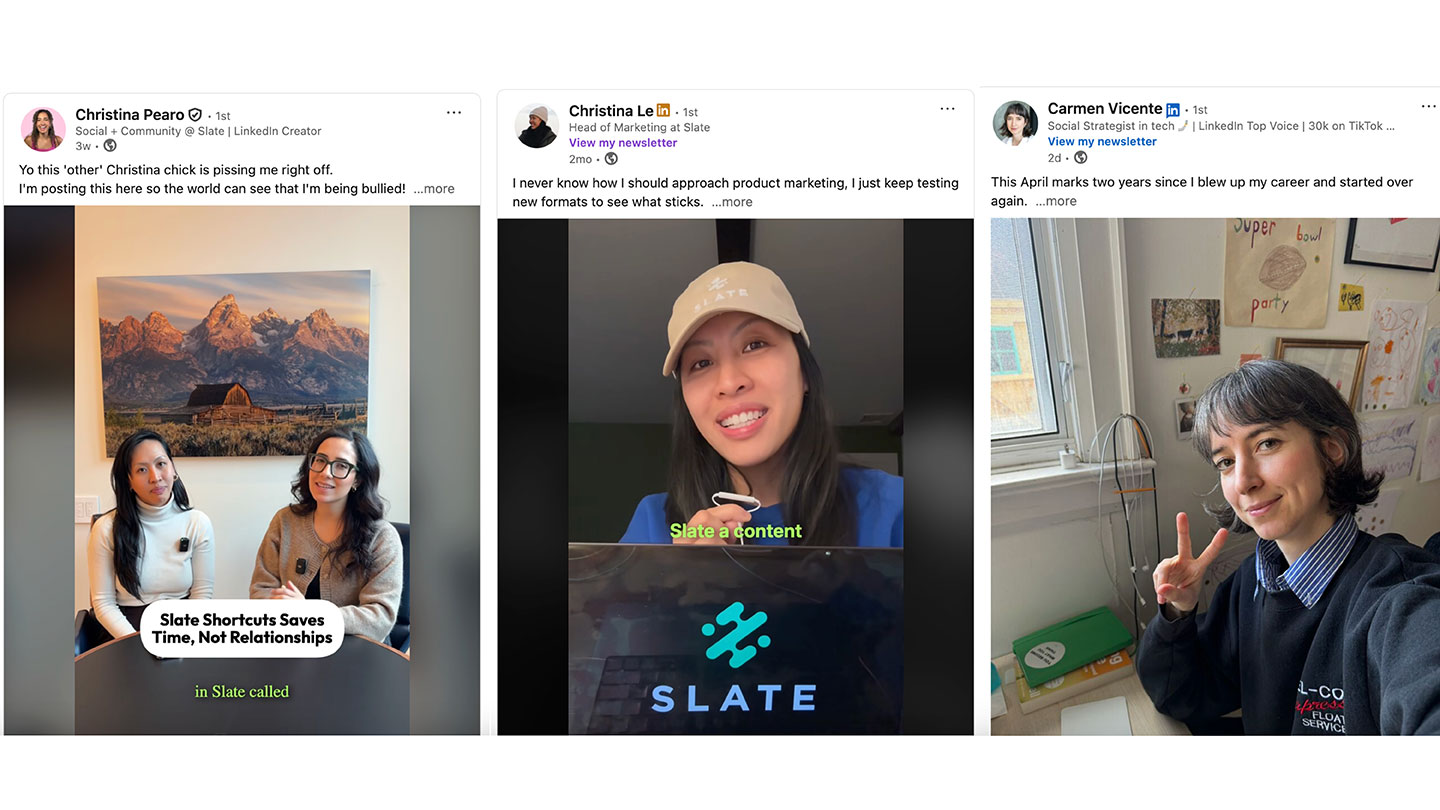
The newer era of EGC looks more like the team at Slate – Christina Le, Christina Pearo, Carmen Vicente. Their content is always in their own individual voices, always fresh in different formats, and builds genuine community at the core of it all. I wouldn’t have discovered Slate if I didn’t see these 3 on my LinkedIn feed everyday. It’s video, memes, thought leadership, personal content & storytelling (deep cuts, career advice, vulnerability), you name it.
Christina Minshull, founder of The Brand Audit – an agency that coaches CEOs, founders, & executives on their voice and personal brands – told me, “Too many brands think they need to have this single, unified voice. But that was the old way of branding. The most progressive brands do not have the same brand guidelines anymore; it’s more fluid. Especially on social; that’s your opportunity to test voices. You cater to the nuances of each social platform.”
Modern EGC also champions employees of all job levels getting involved.
“Your EA strategy cannot just be title-based. There’s always pressure to put certain people in because of their titles. But it’s also that cultural blueprint; who can speak to an audience and create 2-way dialogues in a meaningful way? Who’s already a great storyteller? This can work at all different seniority levels. Each layer can tell different stories about your brand in authentic ways.” – Christina Minshull
Sprout Social is also one of the best examples of internal comms + employee adovacy done right, working in tandem. Micaela McGinley, Senior Internal Communications Strategist, sees this firsthand each and everyday.

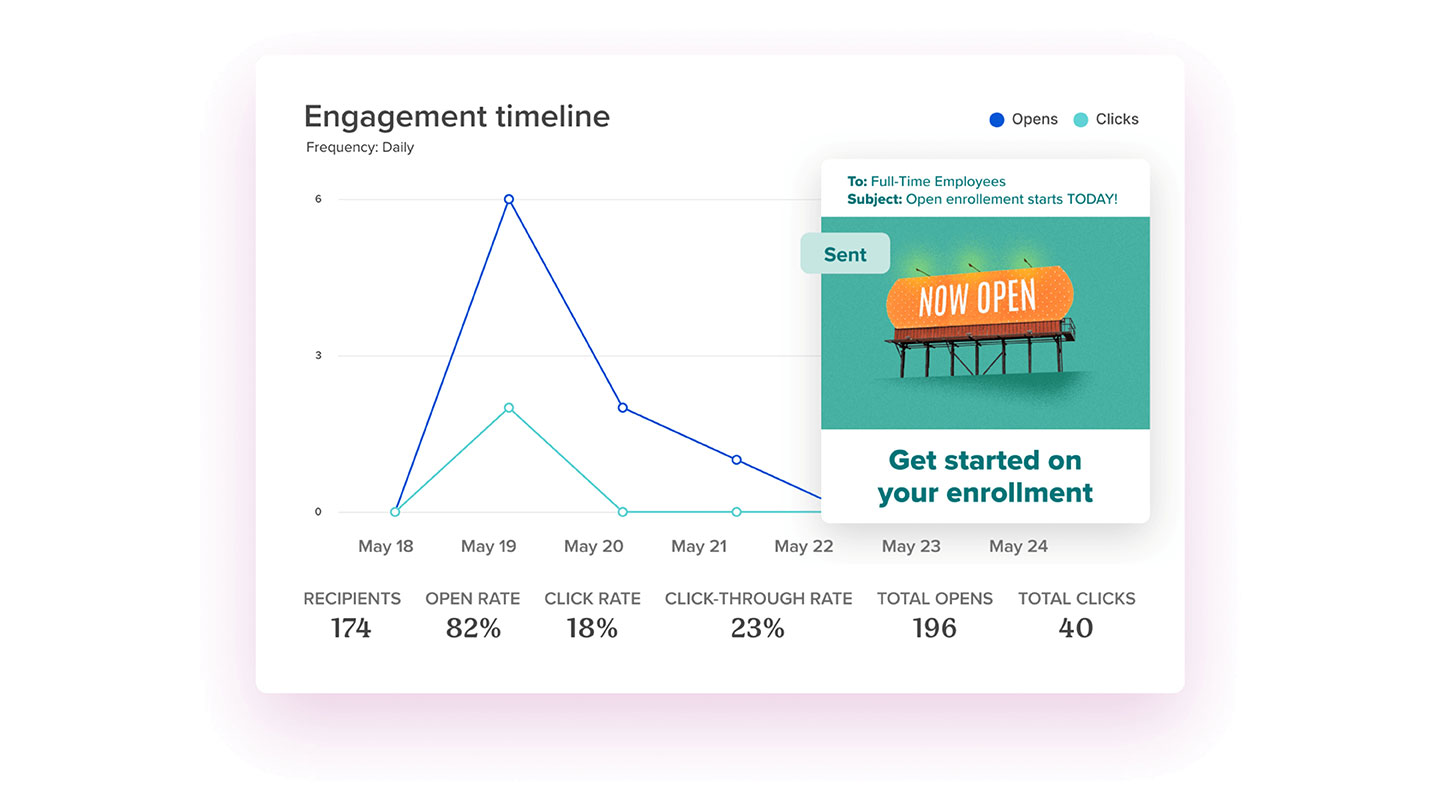
“We built a real ritual around making content predictable and accessible to our whole team through our weekly internal newsletter, sent through Workshop. By including 2–3 clearly indicated, shareable updates in each edition, our goal is to encourage folks to use the Sprout product, share timely and relevant content, and build their own brands within their networks (!!). We believe that no matter where you sit in a business, you should be able to find and share content that bolsters both your personal brand and Sprout simultaneously. It’s a great stepping stone to developing your own content.”
And what a more perfect segway to the next topic: there’s real business wins with advocacy. Sprout’s 2025 results are evident of this: “a 38% increase in shared stories and over $1M in EMV (earned media value), Micaela writes, “Making advocacy a part of our routine has had a clear business impact.”
“We can see that spikes in sharing activity directly correlate with our newsletter send times, which helps us stay on track and encourages our ongoing efforts to build natural content integration into our daily internal communications strategy.”
If you send an internal newsletter and want to track engagement data from employees, or find your best send times just like Sprout did, we’d love to show you how Workshop can help!
2. Speak the numbers game
One of the biggest hurdles I continually heard was getting buy-in from the top. Leadership and execs want to see data and impact to invest in something – and ROI to keep investing it. Advocacy can sometimes get muddled up into ‘the fluff’ initiatives. Fluff doesn’t get budget. You have to position it internally with the right language.
Jennifer Velez was a force for the people at Forever 21. In 3 years, she climbed from a specialist role all the way to Head of DEI, Communications + Culture. “The more I sat in leadership teams and executive team meetings, I realized everyone was talking numbers. And in my early days, I was mostly talking about vibes and feelings. The people who got airtime, most often, were people who were speaking in numbers. So I was like…okay, bet, watch. I’m gonna tie everything I do to a number in some capacity. Part of the reason why I was trying to get Workshop was because it was going to help me increase the number of numerical data points that I was going to have. I know people were reading the newsletter, but I wanted to tell them exactly how many.”
Having the right tools in place is absolutely crucial to get fluent in ROI.
But also, try to paint a picture beyond the numbers too. Lori Grey has spent 20+ years inside comms & marketing, formerly at KPMG & Deloitte. To get buy-in for employee advocacy, she advises: “Help them understand the cost of doing nothing. Because there is a cost to do nothing. And it’s…everybody else is gonna eat your lunch.” Lori is now the founder of Greydient Communications.
Joe Davis, who has run a thriving EA program for six years, attributes advocacy to his own career growth. He says his biggest key to success is data.
“From my own experience and speaking with my peers, the most important thing is to get buy-in from leadership. You have to speak their language, which is very data-driven. Data is very important. Being able to track growth in employees participating, total posts, and even link clicks is key.”
Newly launched advocacy programs have seen early signs of success, too. Ananda Boardman, Director of Corporate Communications & PR at RailPros, says their program arrived more organically.
“Our program came about largely through requests from our employees. Our team had a desire to showcase who we are and the work we do. We’ve already seen an uptick in followers on our main corporate page, and the anecdotal feedback from employees has been positive. Our people are what set us apart, and anything we can do to empower them to showcase not only our brand, but also their individual expertise and skillsets, is definitely something worth doing.”
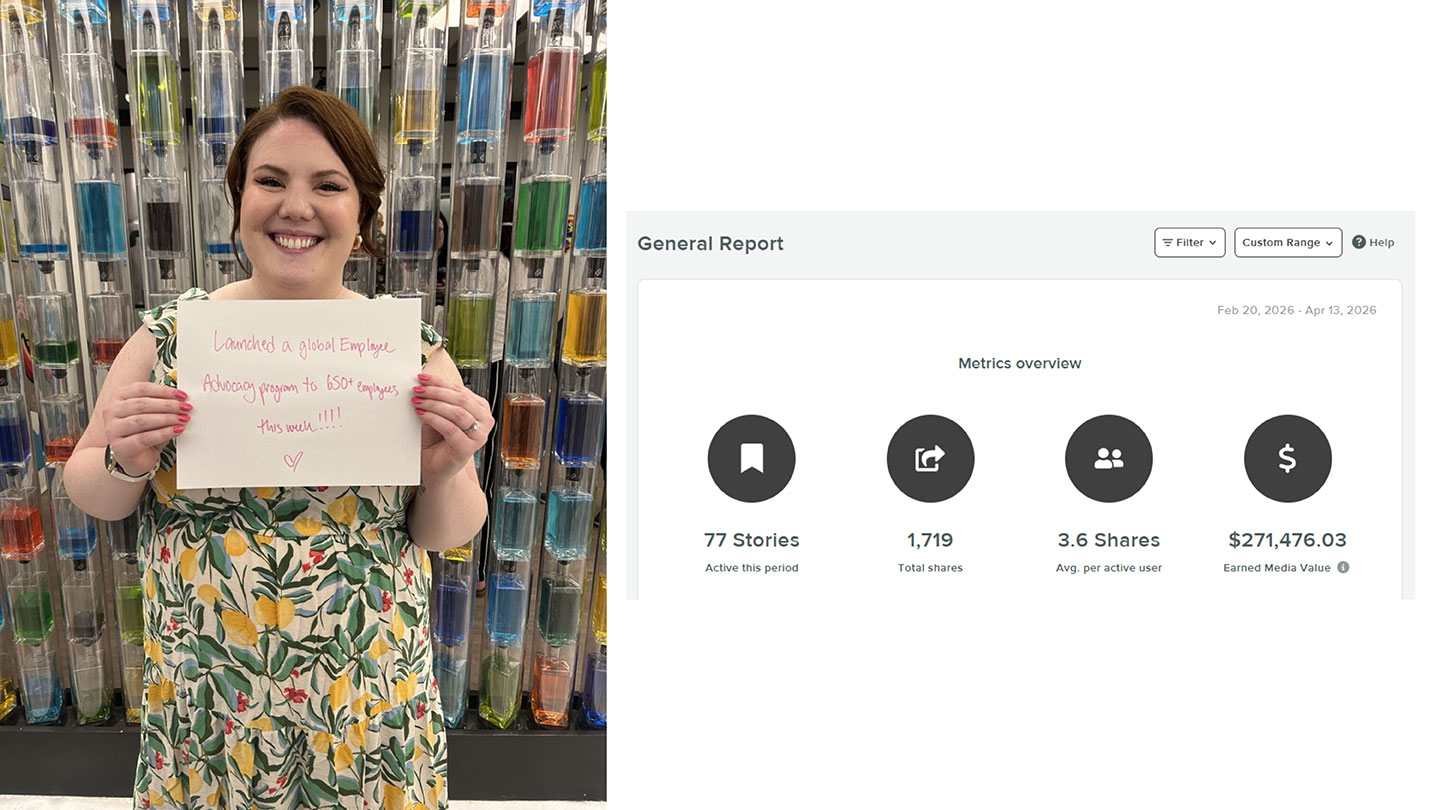
Anna Laura McGranahan, Social Media Strategist at B2B tech company, Aptean, just launched their global advocacy program to 650+ employees. In under 2 months, it generated over $271K in EMV (earned media value) across 1700+ unique social shares.
“Ask yourself: how can I make these as easy as possible for end users from day one? For me, that looked like identifying an Executive Sponsor to secure employee buy-in in the program. I also made internal training guides, FAQs, and recorded a training video. People are getting a LOT of notifications from me. But it’s working!”
3. Get scrappy – it might perform better
One of the biggest misconceptions in advocacy programs is that it has to be perfect from day one – this is far from the truth. And most often, will never be the case. Staples Baddie is perhaps both the scrappiest and most viral example of this phenomenon. Crazy how there’s a correlation there, right? That’s (kinda) exactly why these moments work. Kaeden Rowland was a store associate with an iPhone, some office stationary, and a dream (…and a stellarly entertaining personality made for the camera).
These things are rare. Staples Baddie worked because the creator brought the magic, not the brand. Kaeden could have worked anywhere; people paid attention because she’s just herself. The brand doesn’t make the baddie. In most cases, the baddie makes the brand. Like, she could’ve worked at Office Max or Best Buy and gotten the same result. The reason is simple: people and their unique personalities have always been the differentatior. That’s the beauty of EGC – employees can do branded entertainment and it’s not percieved as a branded ad.
Think of the impact Zaria Parvez had on Duolingo. If we didn’t know Zaria was behind the owl, would people have cared in the same way? Sure, the content on the brand account was good. But it was Zaria herself who got people invested in the Duolingo brand. We cared about Duo because we cared about Zaria. So if you’re trying to build a real emotional connection, you should absolutely tap into employee creators.
The viral EGC moments tend to be organic, and you have to be okay with that. You can’t “manicure” or curate every moment, or “give it your own messaging” as J.T. Ramsay, who’s spent 15+ years in comms & marketing for Fortune 500 companies, describes, “[Advocacy] can be a really messy space to be in. It’s hard to stick the landing sometimes. You’ve got to blend all these disciplines. Because everybody just gets lost in the sea of sameness. Take the temperature of your organization. Think about the way your employees are incentivized. Ask HR, ‘How are our pulse surveys going?’ If our pulse surveys are bad, we’re not going to launch an advocacy program, because it’s not going to work.”

Zach Blew, Meta’s Advocacy Lead from 2018 – 2026, built and launched their employee advocacy program from the ground up. After our interview, he texted me this anaology that I really loved: “Think Goldilocks and the three bears. Some are gonna like it cold (hands off, just resharing company content), some mid, and some hot (execs that might require a lot of handholding, custom comms).”
Identify which porridge is right for the right employees. Not everyone will enjoy the same bowl. And if you force them to…it’s gonna stay untouched and cold.
Jennifer Velez lived and breathed scrappy at Forever 21. In her early days, she was hitting “a lot of roadblocks” when it came to trying to get the executive suite to start posting and doing advocacy. “I was like, you know what? I’m gonna tackle this at a grassroots level because there’s lot more people who aren’t in the exec suite.”
She started building internal influencers using the 16,000+ store associates.
“When I first joined, my job was just reaching the 500 corporate employees. So then 2 weeks into the role, I was like, so, thats not going to work – because [the frontline] are employees too. Storytelling then started reaching everyone, and there’s power in numbers, right? And also because belonging was always going to be at the center of everything I do.”
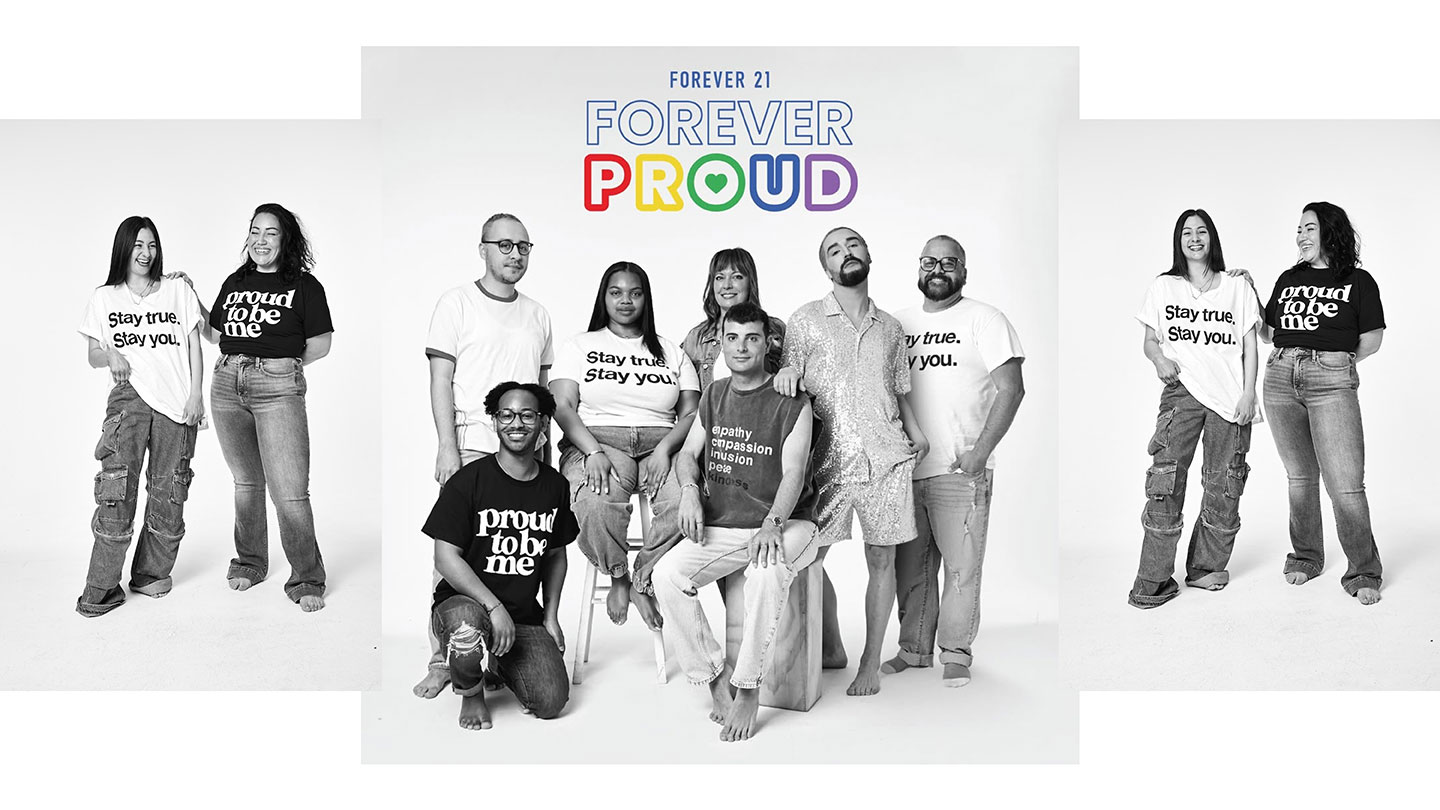
Jennifer also did something different at the time: an external-facing, employee-only campaign. “All of the models, the photoshoot, the entire campaign – everything – were all employees. This wasn’t something that was happening.”
The copy on social read, “We decided to highlight the magic within the @Forever21 building.”
Not only was Jennifer creating internal influencers, she was also building her own personal brand on LinkedIn at the same time – which allowed her to start Highkey Consulting, “a modern strategic communications consultancy that blends cultural insight with brand integrity to amplify purpose-driven businesses.”
And speaking of employee campaigns….Workshop walks the walk too. Ask Devin is an advice column for internal communicators (and a Spotify podcast too!), featuring our very own communications manager, Devin Owens.

“When you put employees in external-facing campaigns, people notice too. And it signals something about your culture and brand (in a really cool, unspoken way).”
— YANNI PAPPAS, WORKSHOP
Workshop’s CMO, Jamie Bell, (who hired Devin!) posted the launch announcement on LinkedIn. The top liked comment said, “But honestly, my favorite part of this is that you’ve created and branded an entire campaign around an employee, which tells me so much about the company culture. This kind of thing only happens if a company is truly invested in their team and in supporting and retaining their top employees. I love that!”
So, who influences inside your company? Mike Klein, consultant & Editor-in-Chief at Strategic Magazine, says it might not always be obvious.
“The most influential people in your organization don’t necessarily get that influence from being in the right place on the org chart – and many of them have influence and importance well beyond their positions on the org chart. It takes work to find them. It means asking your colleagues some questions – like who they go to for news, advice, or moral support.”
4. But…what if they leave the brand?
This is perhaps the greatest fear of employee advocacy. Almost all of the folks I interviewed encountered it during their program building. It’s a common trope mainly heard from exec or leadership: “what if we invest all this time, energy, and money into people – and they leave the company?”
Well, let’s throw this question back: “Why don’t we give people a reason to stay?”
That was my favorite line from my interview with Elena Kacan, Social Strategy Director at Yes& Agency. It captures the core of advocacy, culture, and internal comms. Everything we do should be good reasons people want to stay. Because what if you don’t invest in people and they still go?
Here’s the thing most don’t people think about: advocacy can continue even after someone departs the organization. When I first thought of examples of this, immiedaitely I recalled Heike Young from my LinkedIn feed (see how visibility = opportunity?)
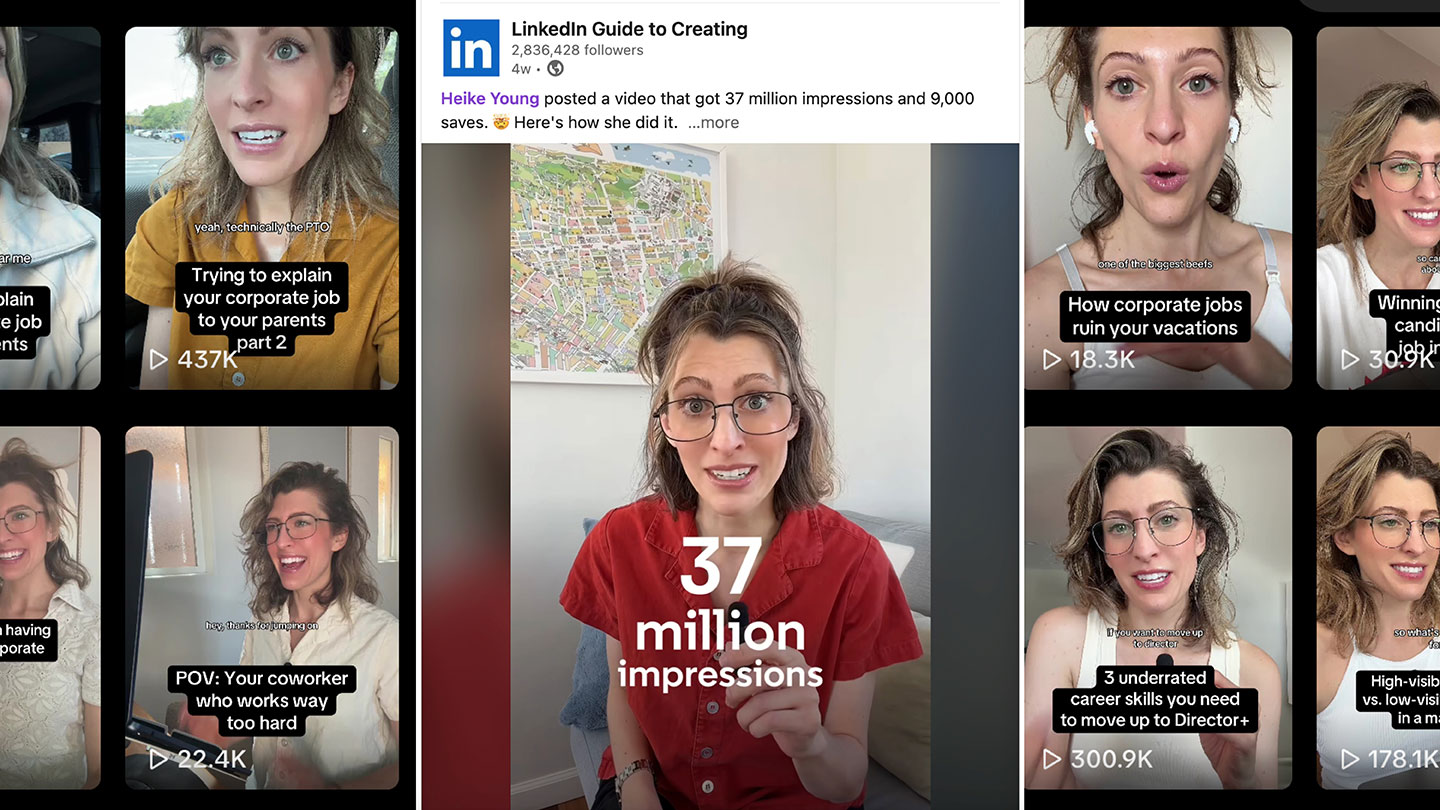
Heike was a leader (and employee influencer) at Salesforce and Microsoft, but also a creator with a highly visible personal brand. So, of course, I had to get her take on all this.
“Having led EGC programs inside of big teams myself, I highly recommend basing any EGC program on a diverse mix of employee voices. If you only ever feature one or two employees and one of them moves on, you’ll be scrambling to fill their spot. Instead, look at empowering a range of voices across geographic regions, seniority levels, and role type.” Heike now runs her own consulting business, on top of being a creator. One of her main offerings is EGC strategy & training, ‘building content systems that scale.’
Heike also still continues her advocacy for previous workplaces. “Since leaving Salesforce, I have done a workshop for their team and created a video for them. And since leaving Microsoft, I have collaborated with LinkedIn (Microsoft is the parent company) on content. Returning to these ‘alma maters’ was an awesome experience.”
Sometimes advocacy will continue, and sometimes it won’t. Regardless, you still need to strategize on the ‘what ifs’ – because you will get asked! Zach Blew advises leaning into the program mentality: “A lot of this is like throwing darts. You have to have a programmatic approach. I’m a program manager at heart. You need to think of your different scenarios, and create for sustainability around each of them.”
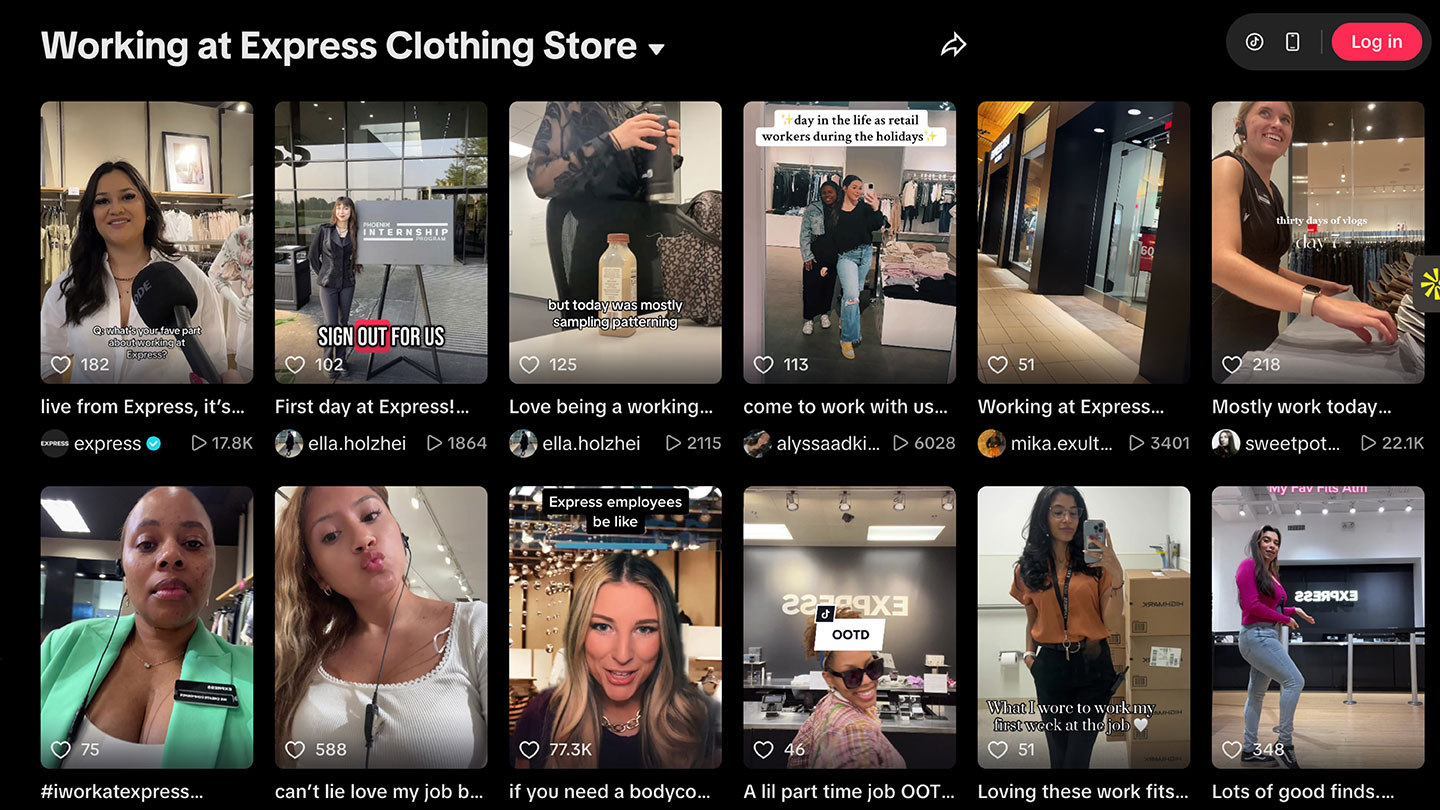
There’s also a structured way to sustain departed employee influencers. Heidi Tharp has done advocacy work at Bath & Body Works, EXPRESS, & SPANX. She now does consulting for boutique & small businesses. “At EXPRESS, our stores team had creators who started posting on their own. Store associates were creating content, doing recruitment, sharing the brand, and building relatuonsips with clientele. EXPRESS was really smart and created a formalized arm that was was just employees within stores applying to the program, being accepted, and going through a development process. Some of them left the brand, but they were able to apply back and rejoin as [external] creators.”
All this to say, if you want employees to start posting online…give them a reason to.
5. So…give your take
My prediction is simple: employee influencers are the future of the creator economy. This is all happening now, in the present, but I think more brands and companies are going to realize this thing is the real deal. There’s value in every regard for businesses and people. What else builds brand value while also building personal brand value? The unlock is 100% employee creators, and I can’t wait to see the evolution of it.
I’d love to hear your own takes from this article. Make a LinkedIn post and tag me!
If anything sparked a thought, a question, a debate, OR if you’d like to echo these sentiments or guest quotes, please share it with the world. If you couldn’t tell by all these interviews I did…when it comes to a yap sesh, I’m gonna have it.
I promise, the world wants to hear your voice. Everyone has influence; it’s just a matter of using it. So, I challenge you: get in your influencer era.