



 Teams
Teams SharePoint
 Slack
Slack QR Codes
 PDF
PDF Active Directory
 Workday
 ADP
ADP Canva
CanvaCommunicating the merger? Well, that's only the beginning!
Meet the MarCom team helping turn two companies into one connected culture.
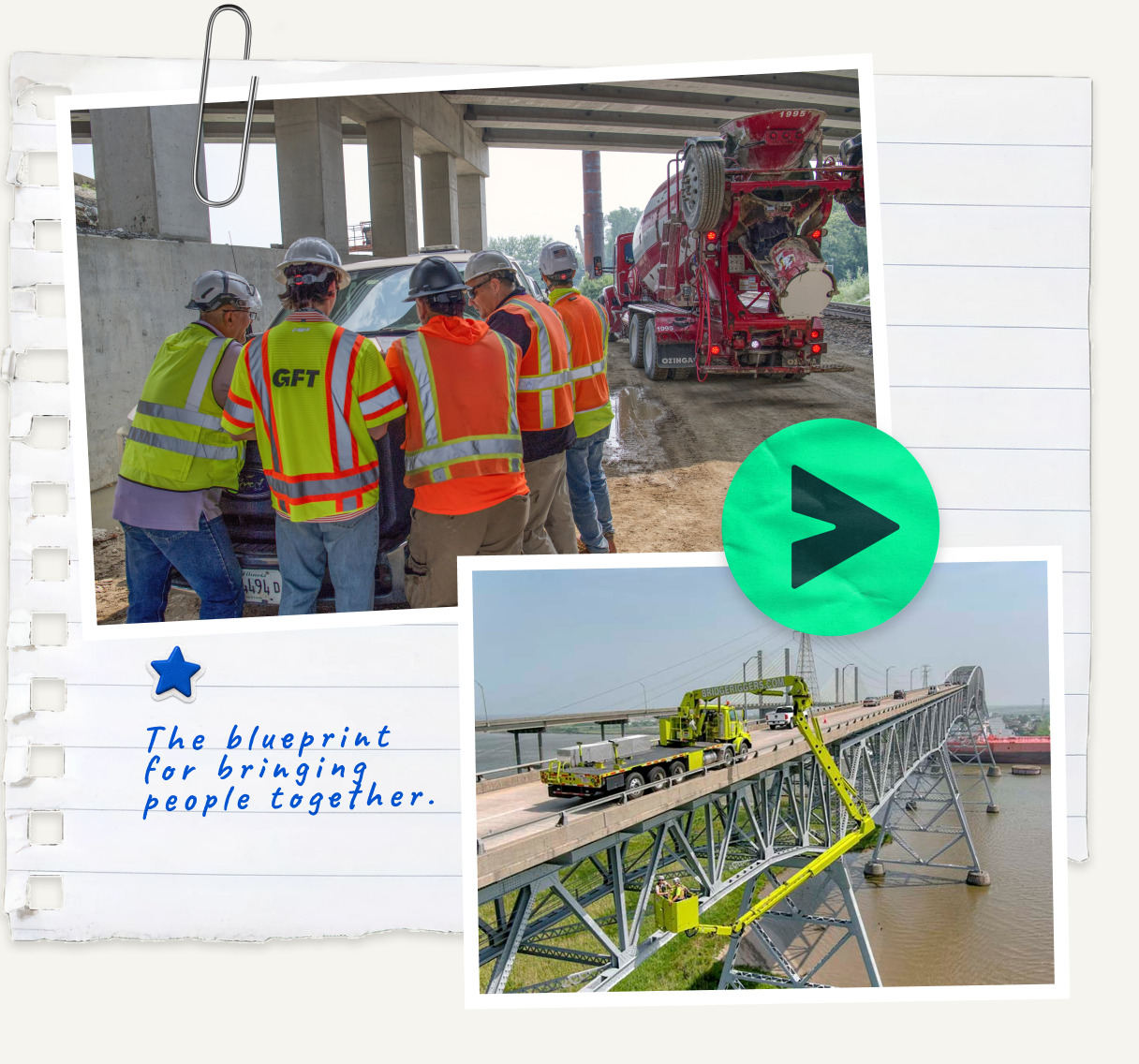
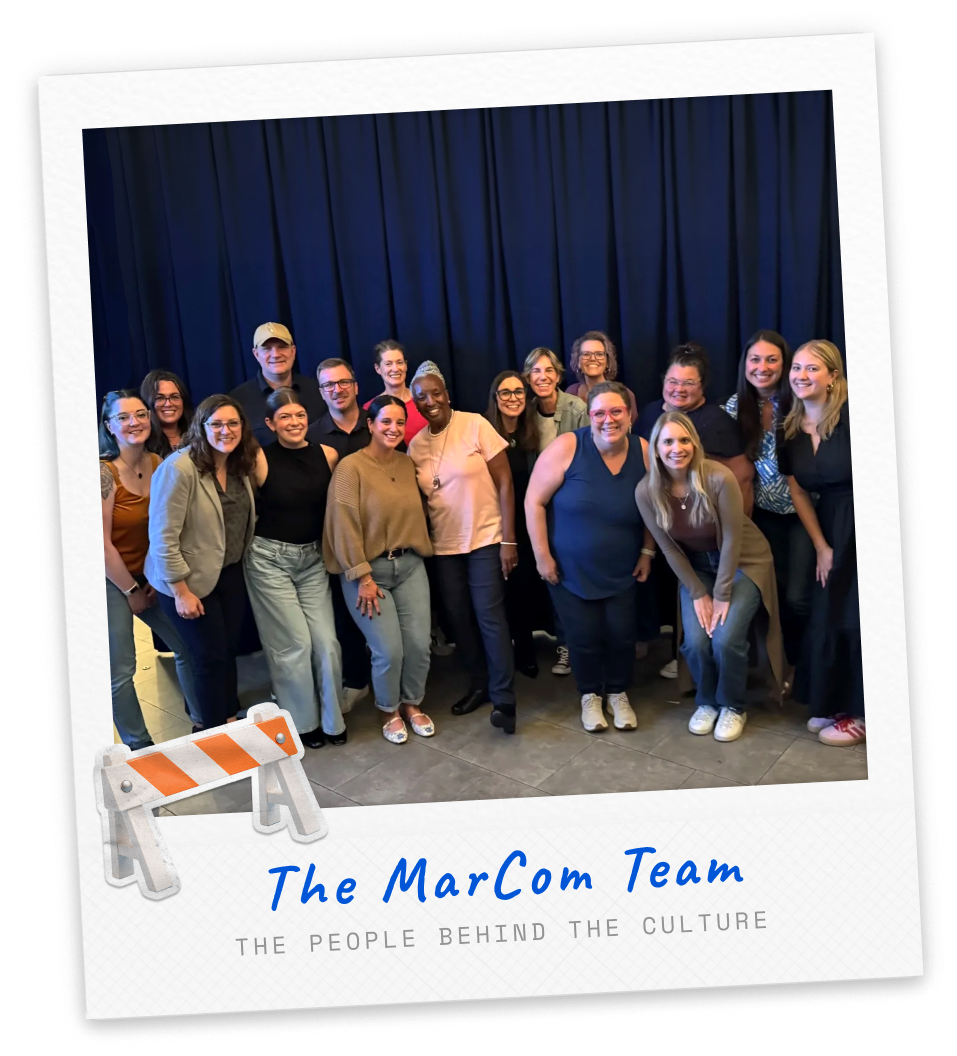
Say hi to the MarCom team. 👋
Storytellers, strategists, data lovers, + everything in between
CHAPTER ONE · THE MERGER
What happens after the press release
Two companies had officially become one. Now came the harder part: helping 5,000+ employees feel like it.
It’s August 2024, and two companies have officially become one. The press release is out, the new logo is ready, and leadership is excited about what’s next for GFT.
Meanwhile, Christine Cronkright, Sr. MarCom Leader, Employee Experience & Internal Communications, along with other branding and executive communications leaders at GFT, had just inherited the job of helping more than 5,000 employees figure out what that announcement actually meant for their day-to-day work, not just that week, but every week as the organization continued to evolve.
“It feels like it’s been 10 years,” she laughed. “But it’s been two.”
Here’s the thing about mergers that nobody really puts in the press release. There’s the version everyone sees from the outside: the announcements, the branding, the vision for what’s next. Then there’s the version employees experience every day, where they’re learning new systems, meeting new teammates, and trying to make sense of what’s changing. That’s where internal communications quietly becomes one of the most important parts of the entire transition.
For Christine, helping people through that transition wasn’t a side project. It was the job. Every mailing list suddenly held two companies’ worth of history, every message needed to reach the right people, and every send was another chance to make a big company feel just a little smaller.
CHAPTER TWO · COMMUNICATING THROUGH CHANGE
Making sense of a merger
Two companies. Thousands of employees. 10+ systems. So… just a quiet year for everyone.
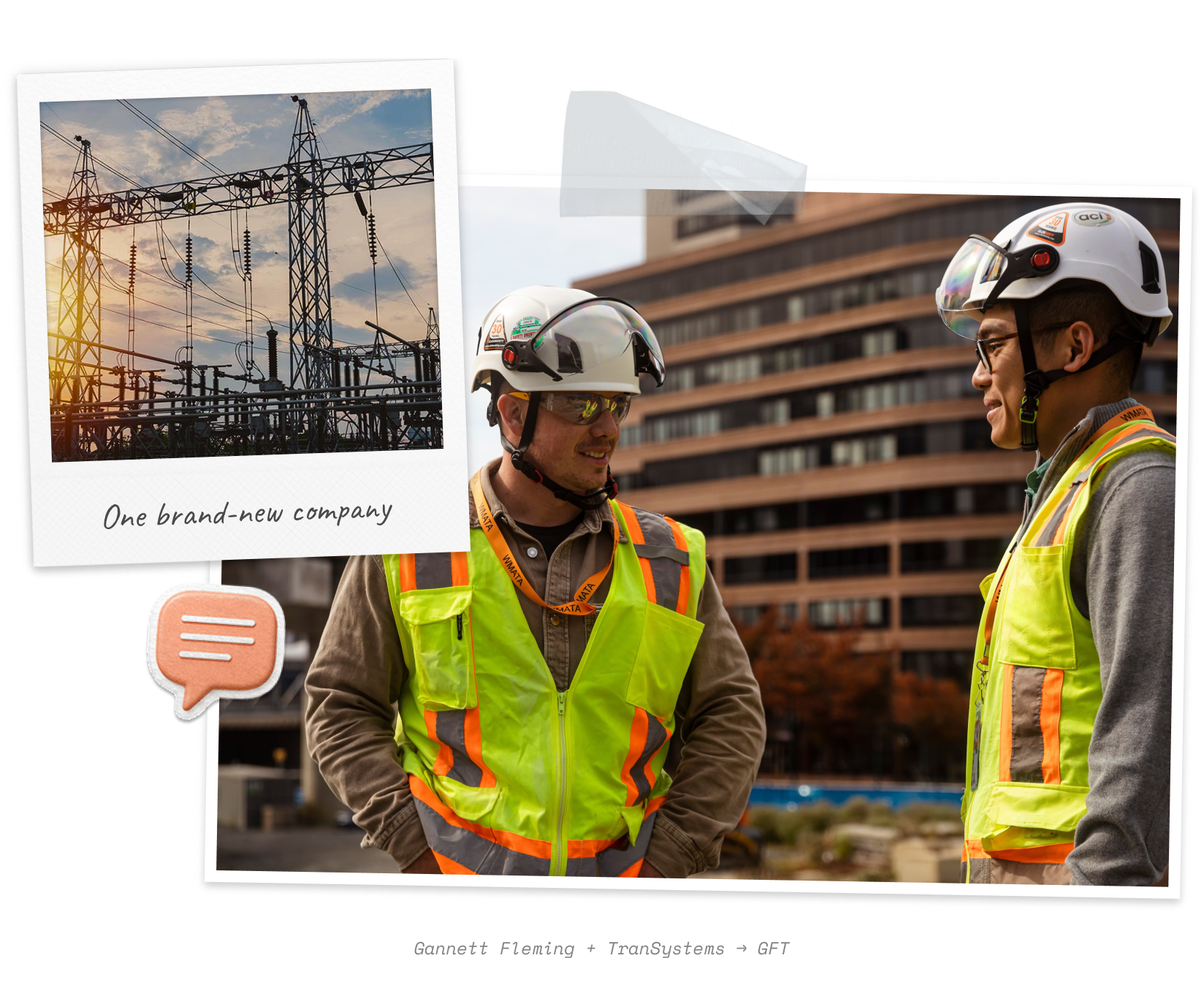
GFT brought together Gannett Fleming and TranSystems under a new name and brand, with 5,000+ employees across North America, and, in the middle of all that, kicked off a major ERP and CRM consolidation that would eventually bring 10+ separate systems into one.
So… just a quiet year for everyone.
For Christine and her team, including Gwen Davidson, and Kelly Hartz, the challenge wasn’t simply reaching 5,000+ people. It was reaching the right people with the right information while the company itself was still changing. As teams came together, systems evolved, and roles shifted, communication had to become just as thoughtful as the transformation happening around it.
"The audience segmentation piece was really critical for us."
— Christine, Sr. MarCom Manager, GFT
It wasn’t hard to see why. Different teams were moving through the merger at different speeds. Some employees were learning new systems while others were still waiting for changes to reach them. The information one group needed wasn’t always relevant to another, which made making sure the right people were getting the right information more important than ever.
“We’re still a baby brand as GFT,” Christine added. “Not because the people or expertise are new, but because the shared identity is.”
CHAPTER THREE · THE OLD WAY
What building a brand-new company looked like from the inside
Communicating across teams, locations, and time zones meant relying on spreadsheets, distribution lists, and crossed fingers.
Two companies becoming one didn’t just mean bringing people together. It meant two sets of mailing lists, two sets of history, two sets of logic — two of everything that had made perfect sense six months earlier and suddenly didn’t.
Kelly Hartz, who joined the team six months ago, walked into that environment and summed it up in one sentence:
It was like reading the Greek alphabet.
— Kelly Hartz
And if you’ve ever inherited someone else’s distribution lists, you probably know exactly what she means.
Meanwhile, Gwen Davidson was the one in the company’s previous email tool every day, doing what communicators do best: finding a way to make it work even when it wasn’t cooperating. Some days were fine, some days weren’t, and eventually the team had a phrase for the second kind.
“It’s mad at me today.”
If you’ve spent any amount of time in internal comms, you probably know exactly what she meant.
That’s when GFT decided it was time for something better.



“”I could cry. This just works so much better.””
— Gwen, Communications Coordinator
CHAPTER FOUR · A BETTER WAY
Finally communicating like one company
Less time sorting audiences. More time connecting people.
For the first time, GFT’s communication system reflected the company they were becoming — not the two companies they’d been.
When Workshop connected directly to GFT’s Active Directory, the lists finally started reflecting GFT — not Gannett Fleming, not TranSystems, but the organization they were becoming together. Segments that used to require hours of manual cleanup started updating on their own.
On paper, it sounds like a software feature. In practice, it meant the team could finally trust that their audience reflected the organization they were communicating with, instead of spending time second-guessing who was receiving what. It was one less thing standing between them and helping employees navigate the merger.
When Gwen sat down in Workshop for the first time, she turned to Christine and said,
"I could cry. This [Workshop] just works so much better."
— Gwen, Communications Coordinator
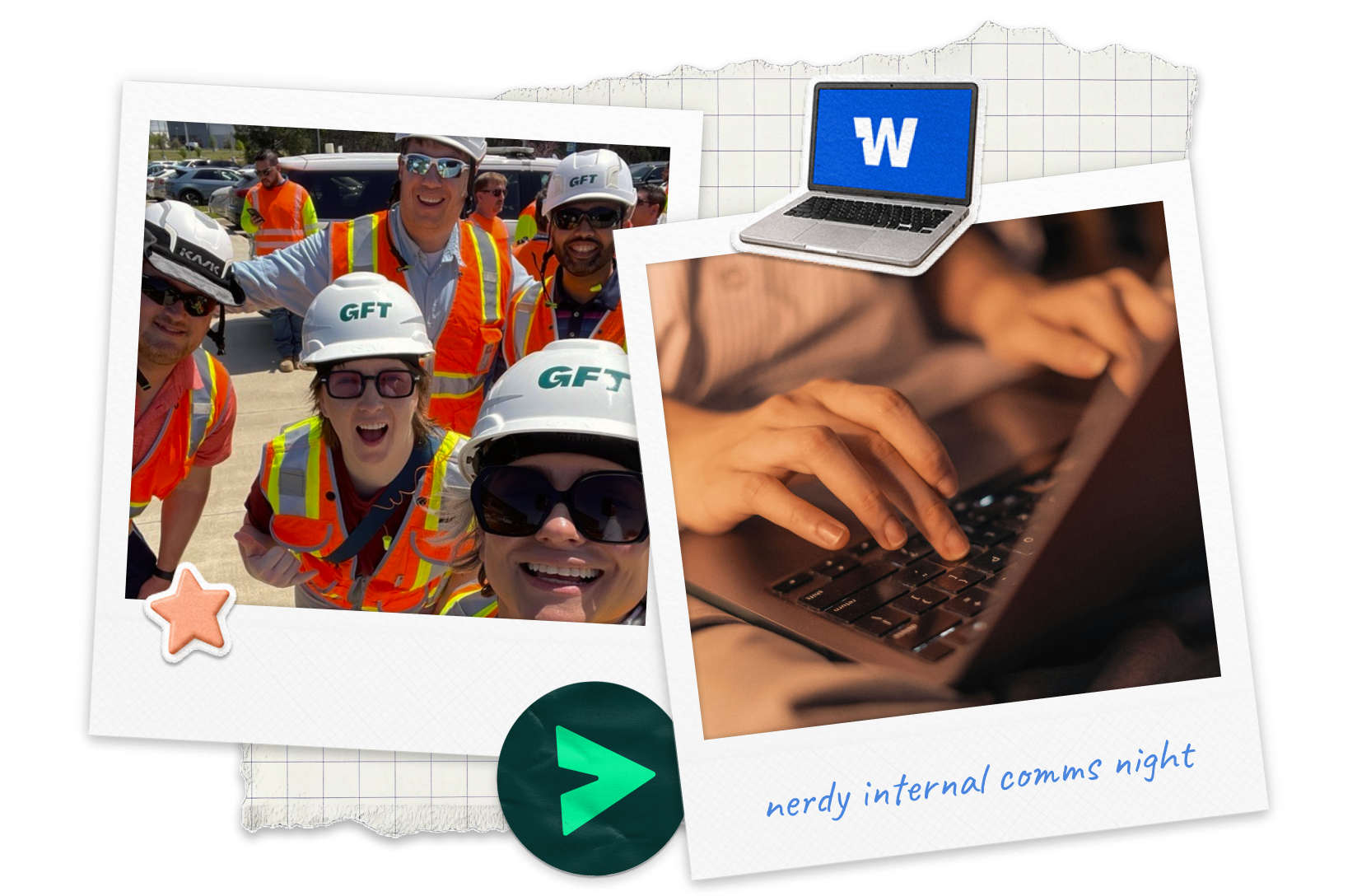
Then she went home and hosted what she cheerfully called “a nerdy internal comms night.” She sat her friends down, walked them through everything Workshop could do, and watched every one of them come to the same conclusion she had.
“This is so much better.”




From two sets of everything to one GFT.
BEFORE · THE OLD WAY
- 01 Two sets of lists
- 02 Two sets of logs
- 03 Lots of cleanup
- 04 Lots of checking
- 05 One send
- 06 Lots of hoping
AFTER · WITH WORKSHOP
- 01 One connected directory
- 02 Smarter segments
- 03 Always up-to-date lists
- 04 Easier, personalized sends
- 05 Clear analytics
- 06 One GFT 💙
One connected directory, always-current audiences, and a whole lot less second-guessing.
CHAPTER FIVE · THE ANALYTICS RABBIT HOLE
The moment communication became strategic
It started with a Friday afternoon analytics deep dive. Naturally, there was a 6 p.m. follow-up email.
About six months in, Christine found herself going down an analytics rabbit hole on a Friday afternoon and sent her team a follow-up email at 6 p.m., knowing exactly how that was going to land and sending it anyway because what she’d found was too good to wait.
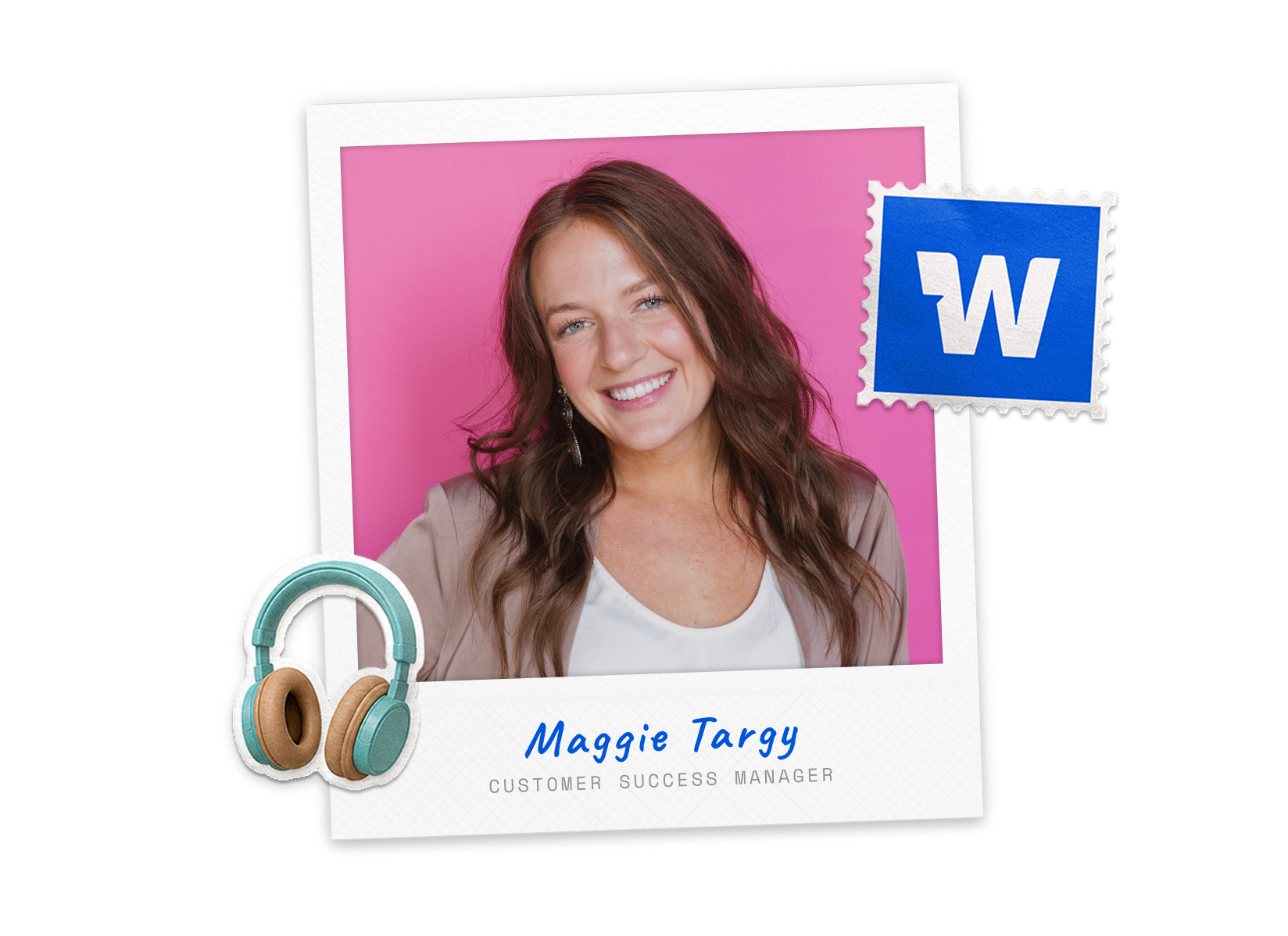
It all stemmed from conversation with Maggie Targy, their Workshop CSM and what the team lovingly calls their fourth teammate. 💙
“We meet every two weeks, we have a running agenda, and we constantly talk about Maggie,” Kelly said.
On one of those calls, Maggie shared an idea that caused the team to shift the way they thought about engagement.
“It's not about how many people are opening your email. It's about how many people aren't."
— Maggie, Workshop Customer Success Manager
It sounds like such a simple shift, but for a team still learning who GFT’s employees are, where they’re working, how they’re reading, and what they actually need, it changed the way they looked at engagement. One thing they quickly discovered was that 55% of employees in one business unit were opening emails on mobile, which meant they’d been designing for an audience they weren’t actually reaching.
The analytics stopped being something they simply reported on. They became a way of helping them better understand the people they were communicating with so that they could make more informed decisions.
“We’d been on rinse-wash-repeat for so many years with our communication strategy,” Christine said. “We really needed to start thinking differently, and this platform has the ability to help us do that.”

CHAPTER SIX · THE PROOF
"It feels like paradise."
Less time untangling lists. More time for thoughtful, strategic communication.
When we asked what had changed most, Kelly didn’t start by talking about features. She talked about what it felt like to do the work.
"It's rare that a company recognizes the need and invests this much in internal communications. This feels like paradise — because GFT cares about what we're doing, and they're giving us the tools we need to do the best job we possibly can."
— Kelly, Internal Communications Strategist, GFT
Throughout our conversation, one theme kept coming up: how much it meant to work somewhere that genuinely invested in internal communications. Not just in better technology, but in the people responsible for helping thousands of employees navigate change.

Christine, Jill, Gwen, and Kelly are still doing that work today. The difference is that now they spend less time untangling mailing lists and second-guessing who received what, and more time focusing on the work that matters most: helping people understand change, building trust, and strengthening a company that’s still writing its next chapter.
Helping two previously distinct companies feel like one was never going to happen with a single announcement. It happens one message at a time, through communicators who care enough to keep showing up for their people every day. That’s exactly what Christine, Gwen, and Kelly are doing — and it’s hard not to root for a team like that.
