

 Teams
Teams SharePoint
 Slack
Slack QR Codes
 PDF
PDF Active Directory
 Workday
 ADP
ADP Canva
Canva


Customer: MacLean-Fogg
Industry: Manufacturing
Employees: 2,000
Founded: 1925 (fourth-generation, family-owned)
Workshop customer since: April 2024
For more than a century, MacLean-Fogg has evolved with the industries it serves.
Founded in 1925 supporting the railroad industry, the fourth-generation, family-owned manufacturer now serves major automotive brands while continuing to expand into industrial markets. With 2,000 employees, primarily across the U.S., the company has grown through diversification, innovation, and acquisition.
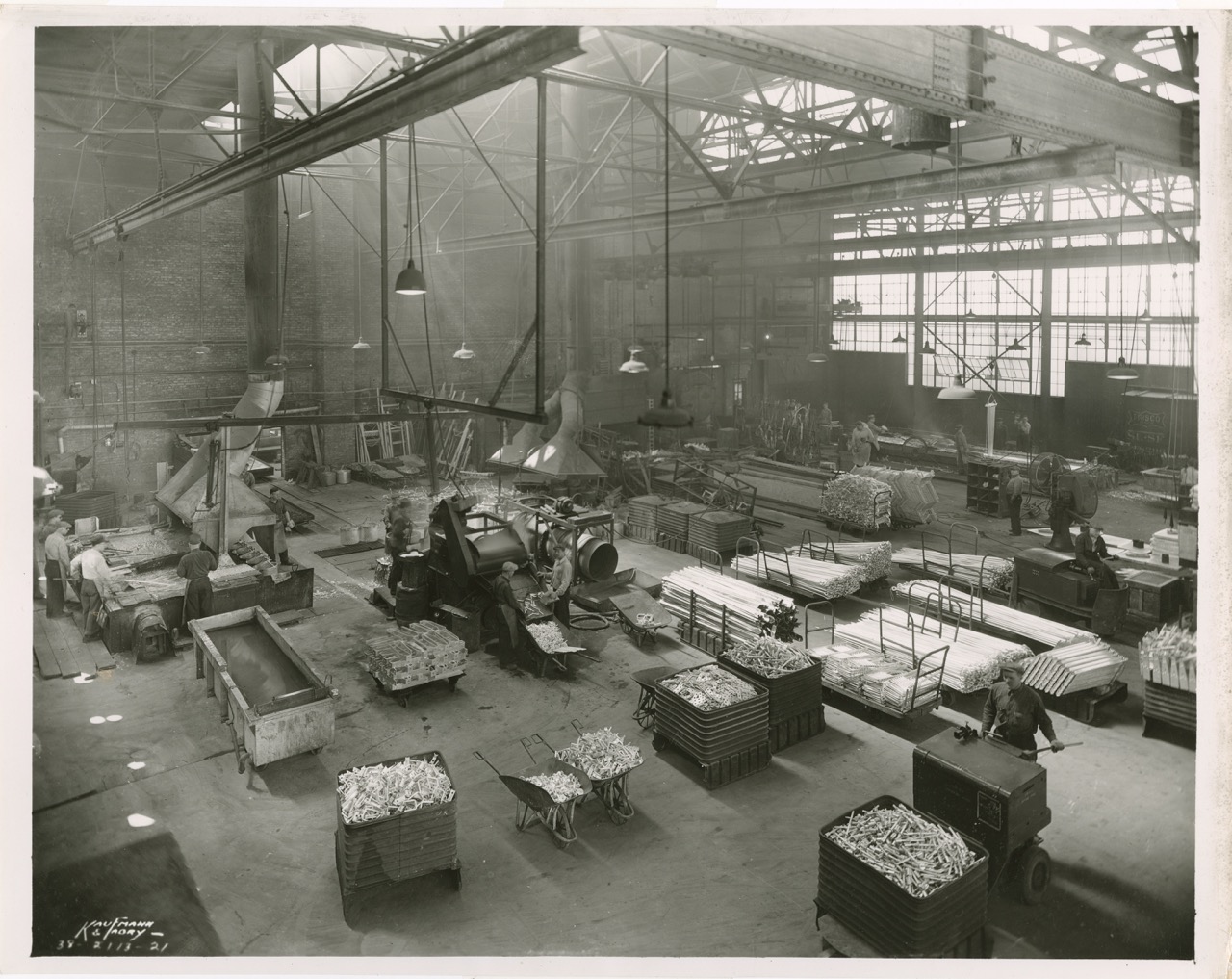
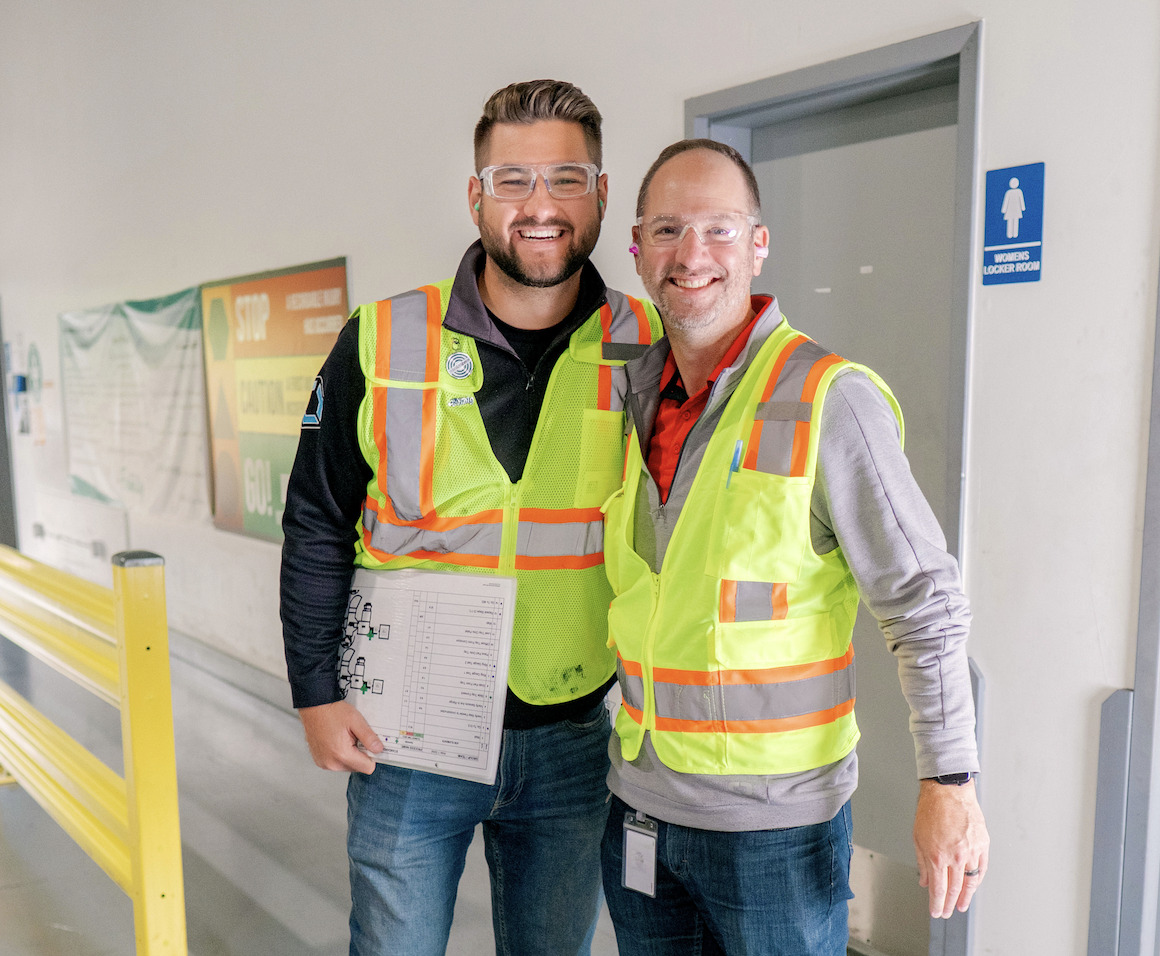
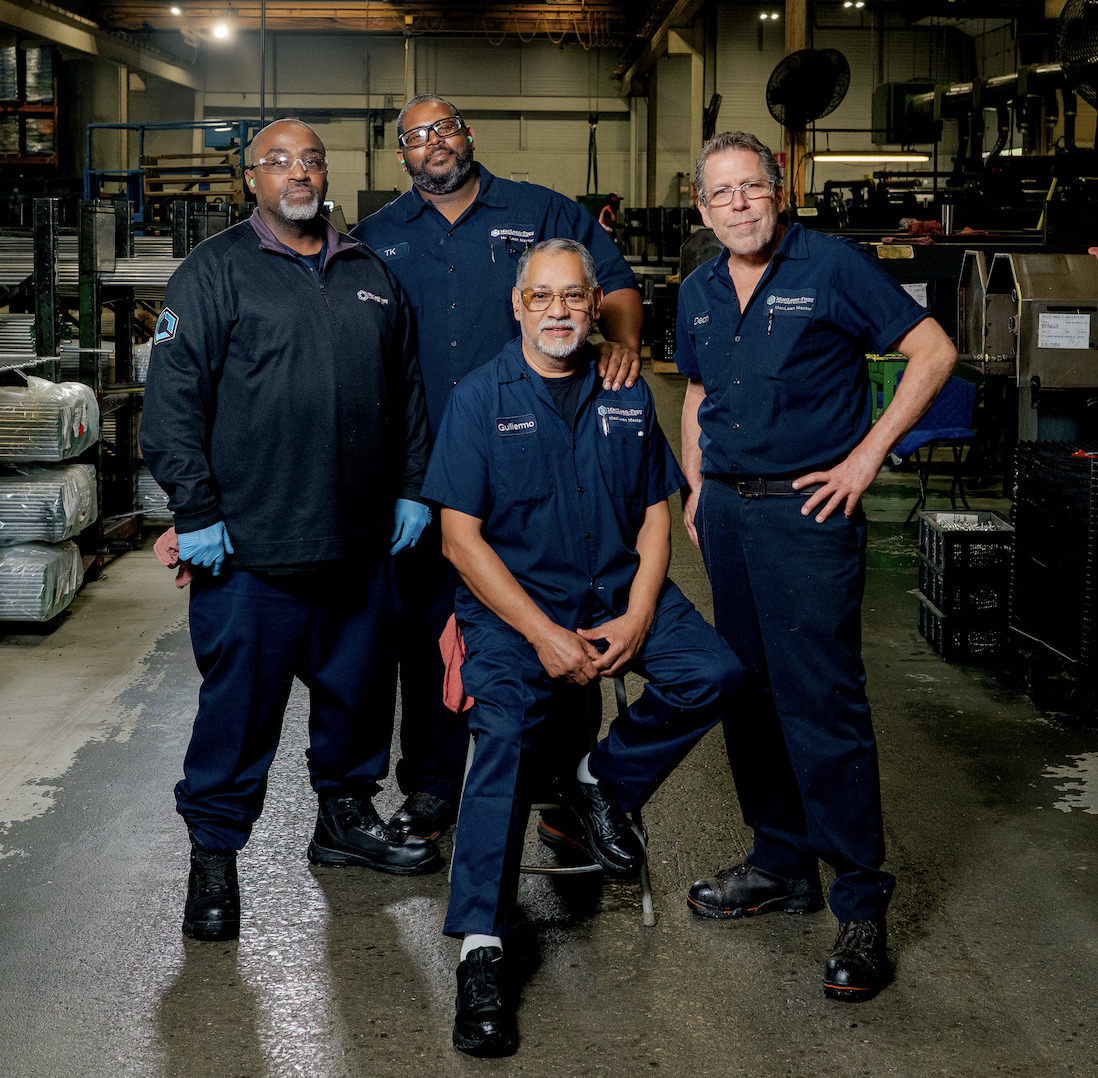
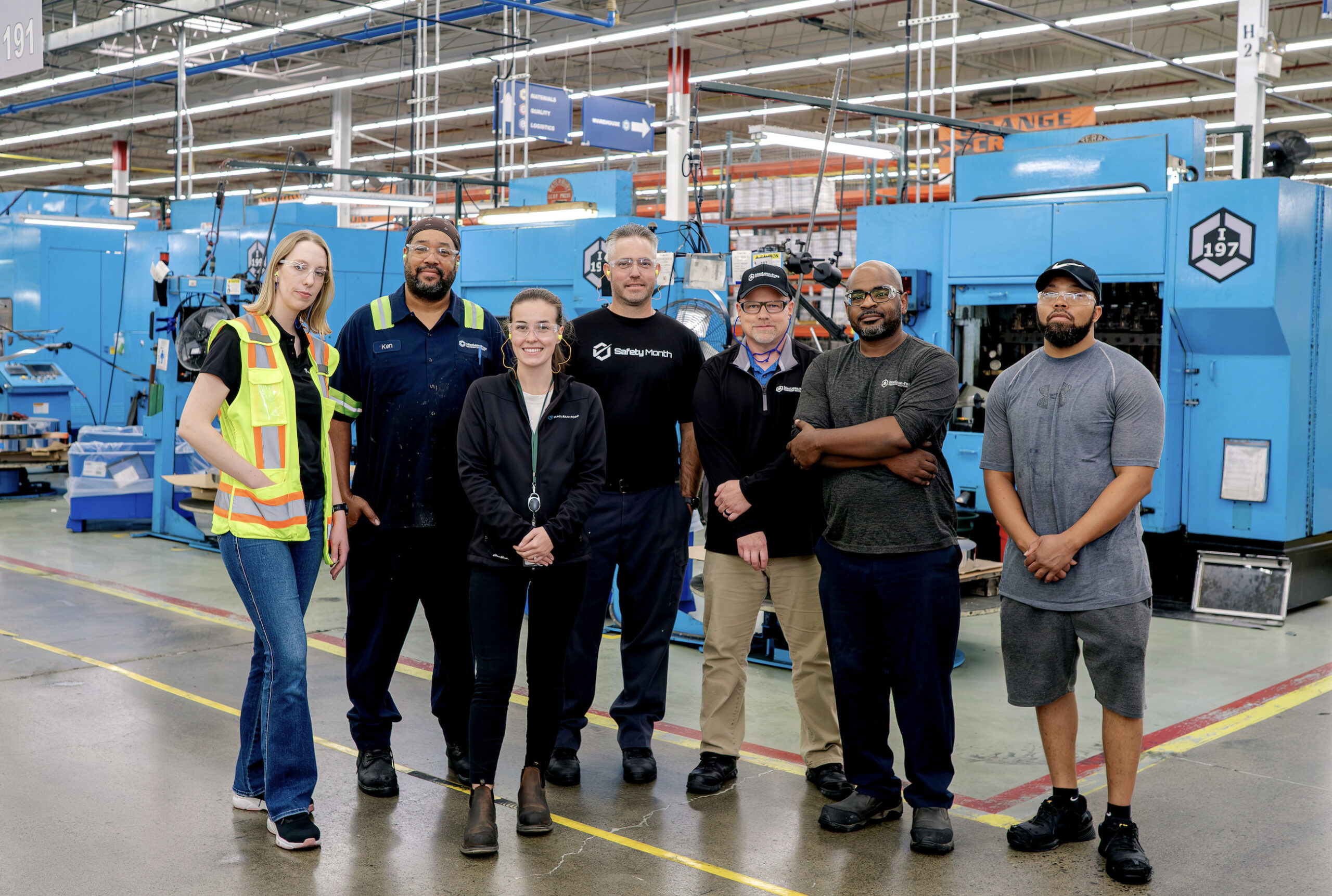
With that growth comes complexity. Many employees are deskless, working on factory floors rather than behind desks. In an environment like that, communication isn’t just helpful — it’s operational infrastructure.
That responsibility sits with Nick Stauffer, Organizational Development Manager at MacLean-Fogg. He oversees marketing, employee communications, talent acquisition, training and development, HR initiatives, and travel coordination. Nearly every major employee touchpoint runs through his team.
As the company continued to grow, keeping communication consistent across those areas became increasingly difficult.
Emails were sent manually. Branded HTML required workarounds. And consistency sometimes came down to whether someone had time to assemble everything.
“We were sending emails that were… a little sad,” Nick joked. “There wasn’t anyone fully dedicated to it.”
The challenge wasn’t just aesthetics. Engagement surveys showed employees wanted more clarity, more reminders, and more bite-sized updates they could absorb.
At the same time, the team faced real constraints:
- Two-thirds of employees are deskless frontline workers
- Many work in rural manufacturing locations
- Not all employees use corporate email
- HR communication bandwidth is limited
Meanwhile, the organization was launching new leadership programs, expanding recognition initiatives, and introducing employee resource groups.
Expectations were growing — but the system supporting communication wasn’t built to scale with them.
From manual workarounds to intentional comms
That search for something more sustainable eventually led MacLean-Fogg to switch to Workshop in April 2024.
At first, the benefit was straightforward. Branded templates replaced clunky Outlook exports, and emails became faster to produce — and far more consistent.
But the real shift came with Journeys: automated communication flows tied to employee moments like leadership programs, recognition milestones, training participation, onboarding, open-enrollment, and ERG membership.
Instead of sending one-off emails whenever someone remembered, communication became structured and event-driven.
“We were exporting HTML and manually sending emails in Outlook. Or duplicating emails in Workshop and creating workarounds,” Nick said. “It wasn’t sustainable.”
The change didn’t just make the team more efficient. It expanded what they could realistically support.
Scaling leadership development without increasing workload
In 2025, MacLean-Fogg launched the redesigned MacLean-Fogg Leadership Institute, with four tracks:
- New leader
- Experienced leader
- Senior leader
- Executive leader
Each track includes nominations, registration, travel coordination, scheduling logistics, and ongoing communication with participants.
Previously, supporting those programs meant duplicating emails and tracking details manually. Now, the entire process runs through automated sequences.
When a manager nominates an employee:
- A congratulatory email is triggered
- Registration instructions follow
- Travel reminders are scheduled
- Key dates and expectations are delivered automatically
“With 75 participants, you’re talking hundreds of emails between nominations, reminders, and follow-ups,” Nick said. “That used to mean a ton of manual coordination. Now, with Journeys, it runs automatically and saves us about three hours every single cycle.”
The goal isn’t to impress participants with polished emails.
“No one leaves leadership development saying, ‘Wow, the emails were great.’ But if I do it right, they’re not saying they didn’t get enough communication.”
For him, that’s success: communication that quietly works in the background.
Launch – and sustaining – employee resource groups
When MacLean-Fogg introduced employee resource groups like Young Professionals and Women at MacLean-Fogg, the team knew a launch announcement wouldn’t be enough.
Sustained engagement required consistent communication.
Now, when employees express interest through an HR form, they’re automatically enrolled in a Journey that:
- Welcomes them to the group
- Shares next steps and expectations
- Connects them to the right team site
- Keeps communication flowing over time
“It’s been critical in helping us launch and sustain these groups,” Nick said.
Instead of relying on someone to remember the next email, the experience is designed once and then runs reliably.
Reinforcing recognition without replacing culture
Recognition has long been part of MacLean-Fogg’s culture. The CEO personally sends handwritten birthday and anniversary cards — a small but meaningful gesture that employees genuinely value.
Automation supports that thoughtfulness rather than replacing it.
Birthday and anniversary Journeys now deliver animated e-cards on each employee’s special day, complementing the physical card with immediate digital recognition.
The same approach helped the team roll out their recognition platform, Bucketlist. Journeys introduced the tool, shared bite-sized tips, prompted managers with recognition ideas, and reinforced adoption over time.
“It’s easy to roll out a tool,” Nick said. “Sustaining it is harder. Journeys helps us do that.”
Across multiple programs, the result was the same: communication became consistent by design.
 Automation that creates more comms ≠ more work
One common myth in internal communications is that employees want fewer messages.
Nick sees it differently.
“In my experience, people rarely say they want less,” Nick said. “They want more reminders. More bite-sized information.”
The real constraint isn’t message volume. It’s capacity.
With automation in place, the team increased communication consistency without increasing their workload. Follow-ups happen automatically. Reminders go out on time. Key moments no longer depend on someone’s calendar bandwidth.
For a one- to three-person team balancing multiple responsibilities, that shift matters.
“I think Workshop fits teams like ours,” Nick said. “When you’re balancing everything, you have to make your time as impactful as possible.”
For a lean team supporting 2,000 employees, that structure helps build trust across the organization.
Designing communication that grows with the company
What started as better-looking emails gradually evolved into something more powerful: a scalable communication system.
Templates improved consistency.
Segmentation improved targeting.
Sequenced communication replaced one-off sends.
Reporting made it easier to see what resonated — and what needed reinforcement.
Instead of reacting to communication needs as they arise, the team now builds communication directly into the design of programs from the start.
As MacLean-Fogg continues to grow, their communication grows with them — structured enough to scale, and thoughtful enough to reflect the company they’ve always been.
For Nick, that means spending more time improving initiatives and less time duplicating emails.
Looking to scale your internal comms?
As organizations grow, the challenge isn’t sending more email. It’s creating consistency across programs, regions, and teams.
Internal communication quickly becomes a set of repeatable automation use cases — onboarding journeys, leadership development reminders, recognition milestones, and change rollouts.
Without structure, follow-through varies, and adoption suffers.
Journeys helps teams design and manage those automation use cases in one place, so communication runs consistently across the organization.